Monday, June 15, 2009

A Trek Through the Trees

One of the highlights of not only our weekend in Malaysia, but of the entire trip thus far, was the bike tour through the Malaysian forests. It was fitting that this capped off the weekend, since it was a great way to bring the group together and leave us with a lasting impression of Malaysia.

The tour miraculously began well into the morning, close to 9 o'clock, and required getting twenty-five college students up and on a bus by 8 o'clock. Still in a daze, we assembled near a small house by the side of the road deep in the Malaysian palm oil plantations. After carefully choosing our bikes, making sure that the wheels weren't about to come off, or the gears weren't already broken, we embarked out into the homogeneous rows of palm oil trees. While the endless rows of palm oil trees were an interesting aspect of the trip, it was instead the various houses along the roads that most intrigued the group. With each passing house, unique in color and form, we would also pass by a family, often excited and intrigued by how foreign we appeared. In these circumstances, without exception, the residents waved and yelled out "I love you." These instances of affection were only augmented if you were accompanied by a camera and offered them the chance to pose.

Along with immersing the group in the life of Malaysians, the bike trip also offered a chance for the group to come together. The trip lasted more than two and a half hours, and covered over 10 miles. In addition to this, the typical Malaysian heat and humidity, even when protected by the shades of the palm trees, did not help the cause. Drenched in sweat, each of us was pushed out of our comfort zones in some way. For some, this meant riding a bike for the first time in years, or ever. While it wasn't particularly easy, in hindsight we all agree that it was worth it. This is because we did it as a group, and we helped each other get through it. So, while it may have been easier for some, everyone was able to get a good deal out of the experience.

While it is easy to simply take the bike trip for what it is worth, a scenic ride around an unfamiliar location, I found myself getting more out of it. When we were biking through the plantations of palm oil, rubber, and fruit trees, we were biking through the livelihood of both the people in the area, as well as Malaysia as a whole. The plantations, stretching out endlessly, are more than just trees, they are the sustenance of Malaysian life. Malaysia is the single-largest exporter of palm oil, and also ranks highly as an exporter of fruits and other natural resources. The rows of trees, cultivated by the local Malaysians, are no different than the rows of corn cultivated by a Nebraskan. Whereas the agriculture of corn, wheat, and rice has become a symbol of the heartland of America, so too have the palm oil plantations become a symbol of Malaysian economic progress. It is the mark of a developing nation.

We often take for granted the daily amenities that come with living in an industrialized nation. Throughout the entire trip, thus far, these "necessities" have been available to us. In Singapore, it has been hard to feel far away from home for this reason. However, in Malaysia, we were able to have our first experience of a developing nation. This is likely to continue when we depart Singapore and make our way into Thailand. The bike trip was a great first encounter with the rural aspect of Southeast Asia. In many ways it was more enchanting and endearing than the cosmopolitan background of Singapore. The general friendliness of the local Malaysian planters was uplifting and heartwarming. While we may not have had enough time in Malaysia, characterized by the frenetic schedule during the weekend, it has undoubtedly left its mark on us. The bike tour was emblematic of this. We will remember our time in Malaysia long after the sights of palm tree pillars or the smell of durian trees escape us.

-Peter

Sunday, June 14, 2009

Hello! We just got back from an exciting trip tto Malaysia! While we did a lot of great things, my favorite part was going to the Tanjung Piai Johor National Park on the first day. This park is meant for the conservation of the Mangrove trees at the southern most tip of mainland asia. It was like taking a breath of fresh air when we got to the park. In contrast to Singapore, this national park was wild and not controlled. Regardless of the wooden trail that guides tourists through, there was the potential to see wild animals, bugs and insects were everywhere, and there wasn't any air conditioning!

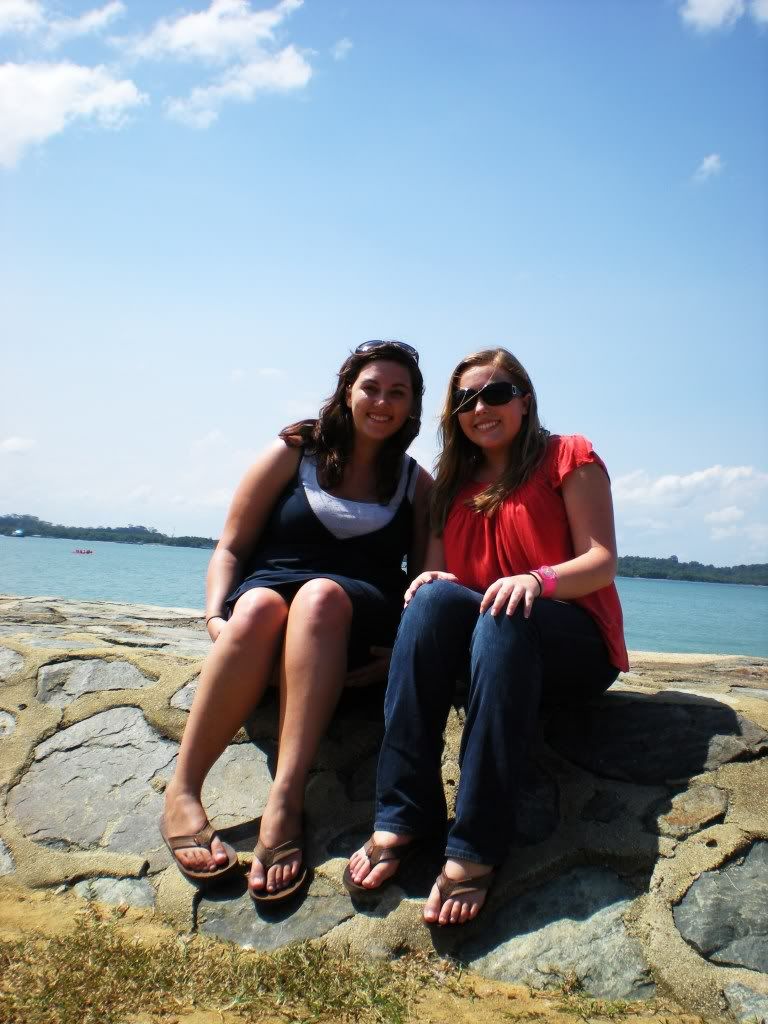
There is this sign at the tip of Mainland Asia where we all took pictures- here is a picture of me and Nina!


This southern most tip is very interesting because of its significance with the both historical and present day trading and shipping routes. Here is a picture of modern day trading routes. Clearly there is heavy traffic around Singapore and Malaysia. (Courtesy of http://www.supplychainleaders.com/provider/evergreen-marine-corporation/324/).

As we were standing there amidst the mangroves these massive container ships, more than anyone could count, were drifting by as though they were simply far to heavy to move quickly.

Moreover there was a ton of plastic and debris that was around the mangrove trees. At first guess I thought that maybe the tourists had littered but I think the more plausible explanation is that this is all waste coming in off the sea. Seeing all the plastic and debris around the national park was a bit discouraging because of how damaging it is for the ecosystem. Mangroves act as filters for their ecosystems. They have adapted to their salt water environment (e.g. their intricate root system) and support many types of life especially the creatures that are at the bottom of the food chain. In fact one of the first "things" to greet us at the site was a monkey! It moved quickly so I couldn't get a good picture of it but there were several monkeys around the mangroves. But other animals include mud skippers, pythons, and wild boars. Mangroves also provide protection against flooding and typhoons. However, it seems as if these mangroves are fighting against the massive amount of ships and cargo that float by them leaving a trail of toxins and debris.

While being in Singapore and while traveling through Malaysia I have tried to take note of how the environment is treated. I consider myself a "green" person so I notice immediately when there is a recycling bin here, a water saving device in the bathroom, and energy efficient appliance there. The difference between Malaysia and Singapore is quite distinctive. While Singapore has managed to control its environment every park, green space, and in fact every space on the island is carefully planned out. Whereas in Malaysia things are more sporadic. The palm oil plantations and rubber plantations are signs of control but there is still a very wild and natural feel to Malaysia. I have seen examples of the Malaysian approach to the environment before in other developing countries so I wanted to learn about Sinpgapore's approach to its environment. I thought I would start by interviewing the Office of Environmental Sustainability here at the National University of Singapore. They allowed me to ask them about their program, their initiatives, the students and faculty response to sustainability, and moreover they reach they think they have into the overall community of Singapore. What I found the most interesting was that this is a really young program. The idea of sustainability has really only been around for two years here at NUS. However, it seems as if things are already changing. While I was there the students and interns working on changing the type of container the stands in the canteens give out (they found a biodegradable and sustainably made container instead of the plastic containers) got the go ahead to make all the stalls on campus use this new type of container. Yet, the reason why? Economics. Now whether this is a good thing or bad thing, that the environment and making better choices are contingent upon economics is another matter. it is clear that the Office of Environmental Sustainability knows how they are going to ensure that their initiatives are going to be completed. It is through economics. I am hoping to visit more "environmental sites" in Singapore and continue my exploration of environmentalism in Southeast Asia when we go to Thailand but for now there is a lot to think about in terms of what does it mean to be environmentally conscious in Southeast Asia.

-Mary

Thursday, June 11, 2009

The Other Side

If I had to choose one word to describe this experience so far, it would be this: discovery. It is quite a feeling to wake up every morning knowing that your day is going to be nothing but a new adventure. From class discussions, to food, to different corners of this beautiful island, it is certain that each day will bring a new experience, and with it, a new perspective.

One of the most remarkable aspects of our visit so far has been that we are able to learn and discuss information in class, and then go outside of the classroom and see it reflected directly in our surroundings. We also have many opportunities to listen to and ask questions directly from government organizations. This week, for example, we were given a presentation from the Economic Development Board, which provided valuable insight into topics related to our class, as well as our understanding of Singapore and its economic connection to the rest of the world. Opportunities like this one just don't come along every day, and this definitely helped us to improve upon our knowledge and understanding of Southeast Asia.


Of course, some of the greatest learning experiences occur outside the classroom and the boardroom. Today we had an outing with other college students from Singapore, and we were given the opportunity to either play soccer with some local soccer champions, or go cycling in East Coast Park. I personally chose to go cycling, and it was definitely a great choice. Stretching along Singapore's beautiful eastern coast, which is on the other side of the country from where we stay, the park provides an atmosphere that is completely different from anything else we have encountered in this busy city. Families gathered together here to grill out and play games, and it was such a refreshing sight to see the relaxed side of this hard-working society.


As I mentioned before, every day we have spent here in Singapore has been rich with new encounters. Just by travelling from one end of the island to another, we are able to gain a whole new perspective on the lifestyle and culture of this magnificent city-state. Just after two weeks here, I have already felt that my fellow students and I have grown so much. As we learn more about our world and the role we play in it, we begin to make the biggest discovery of all: ourselves.

-Virginia

Saturday, June 6, 2009

Where thou art, that is home. -Emily Dickinson

Yesterday, we went on our much anticipated homestays! Two to four SEAS participants were paired with a local Singaporean to spend a day together. Danielle and I were paired with Raihana, who happens to be best friends with Nadiah, our NUS contact and all-knowing guide here in Singapore, who happens to be good friends with Amir, another host for the day. All these wonderful connections led to the combination of three homestay groups and subsequently the most fun day ever!

We began our day with lunch at Pizza Hut in Tampines (Singapore's most populated town). Pizza Hut may not sound very exciting, but all of the food at this Pizza Hut was halal, meaning it is acceptable to eat according to Islamic law. Meghan was skeptical knowing that her pepperonis would actually be made of chicken, but was surprised to find them even better than usual! After learning about the Islamic religion in the Harmony Center the day before, as Stephany discussed, we were all very excited to know we were eating a permissible Islamic lunch, and at Pizza Hut nonetheless!

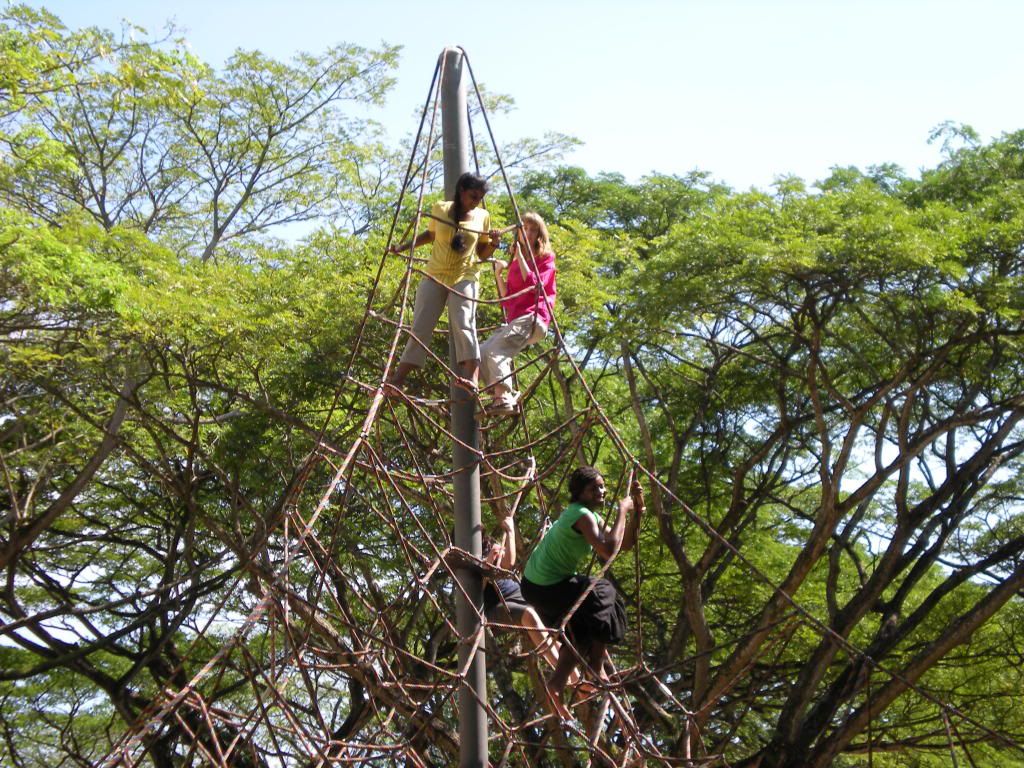
After lunch, we headed to Pasir Ris Park. Raihana told us the private houses near the park ranged from 1.5 to 3 million dollars in value! Since only about fifteen percent of Singaporeans' income levels are high enough to qualify for private housing, these numbers were not nearly as surprising as one might think. The park was gorgeous and led right up to a small beach beside the ocean where we made sure to take plenty of picturesque photos. Then, it was play time! Though the expansive playground was missing a few U.S. staple pieces of equipment like the seesaw and tire swing, all the futuristic additions definitely made up for it. From the fifty foot spider web tower to the spinning disk that threw me for a loop, literally, this playground was like nothing we had ever seen before. Even though ten teenagers playing alongside little kids may have looked a little strange, we had a great time and a new experience!

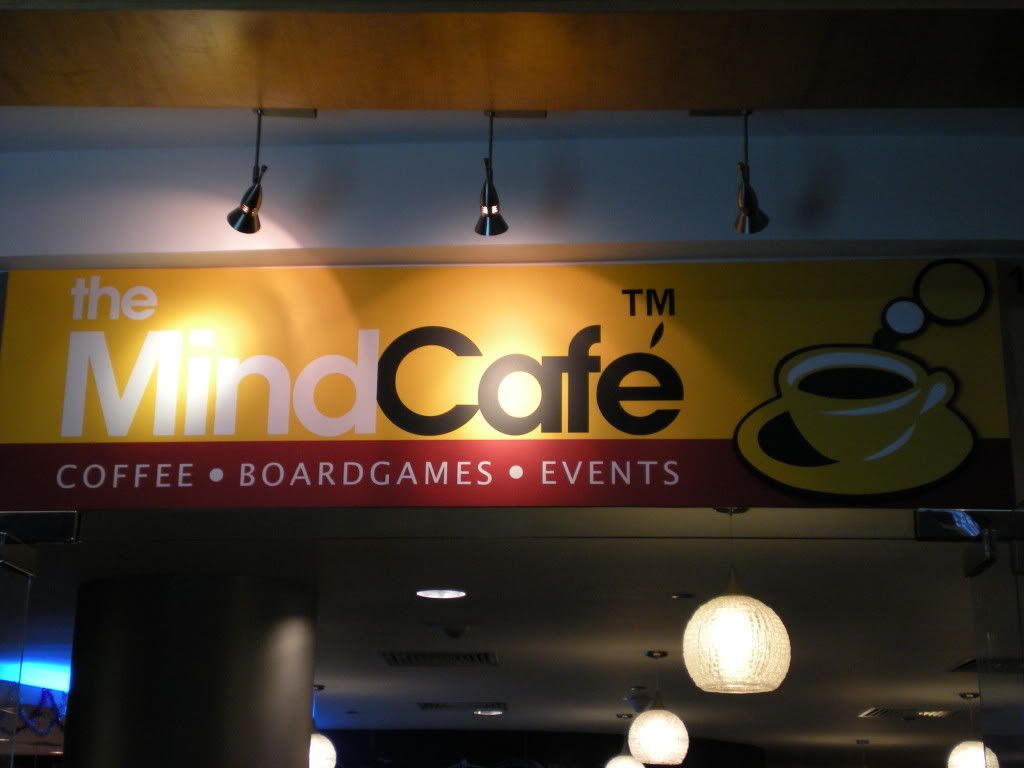
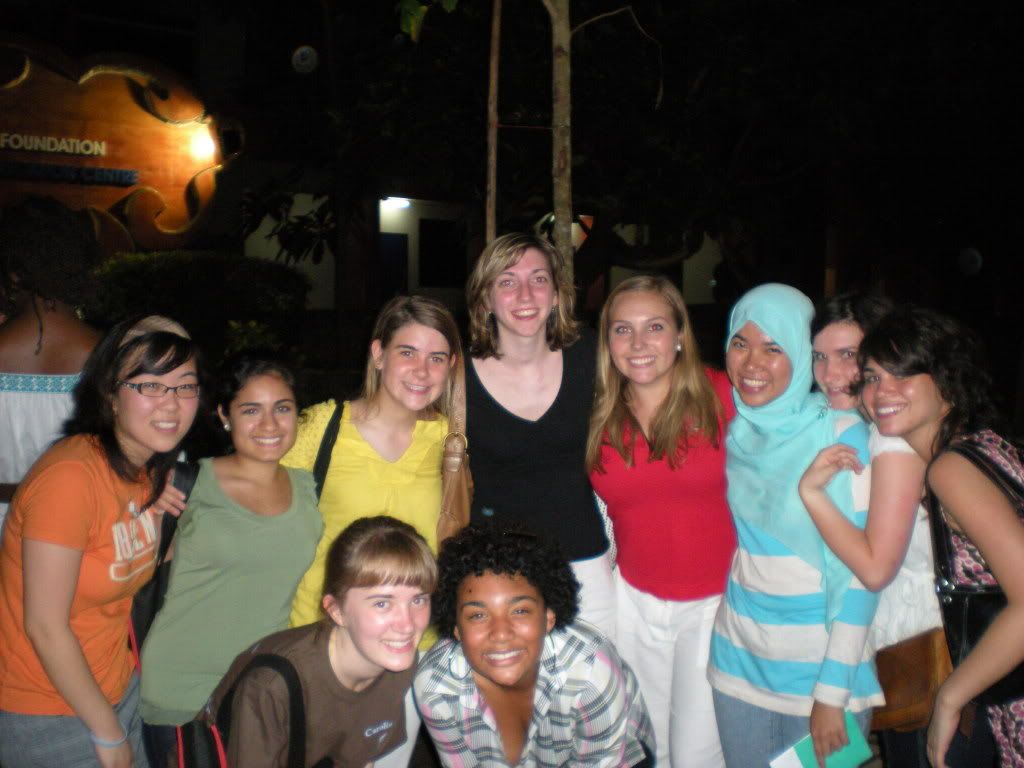
The Mind Cafe was our next stop, and was definitely my favorite part of the day. After sitting down at a huge circular table and having our drink orders taken, Raihana and Amir brought over board game after board game for us to play. The Mind Cafe is like any other restaurant, except all the waiters can explain the rules to any of the nearly one-hundred games available in addition to serving food and drinks. The manager was so excited to see a group of foreign exchange students that he offered to take our group's picture and send it to all of us. We came to the consensus that these board game cafe's need to come to the States immediately!

As the day wound down, we rode in Amir and Raihana's cars to Simpang Bedok (translating to Bedok Corner) for dinner. I asked Amir about the small gray box above his steering wheel which turned out to be a device holding a cash card that all Singaporeans have in their vehicles so that when they pass through designated Electronic Road Pricing (ERP) stations, a fee will be automatically deducted, therefore eliminating the need for time-consuming toll booths like those found all over the U.S. Dinner was delicious and after a long and fun-filled day, we all returned to share stories about our different experiences.

As an added bonus, Nadiah invited the entire SEAS group to her house for dinner tonight! We got to see the inside of HDB housing which was very nice, eat some delicious food, and meet Nadiah's amazing family.

Thanks for reading and stay tuned for more exciting SEAS 2009 adventures!

-Emily

「✈」「We live in Singapura」

The past few days have been, for the most part, a large amount of free time with just a few planned activities here and there. Most of us have spent the free time just catching up on the rest that we sorely need and doing homework—as Hanna said, "I often forget the 'study' part of 'study abroad'."

But, at the same time, what makes this study abroad experience truly unique is that the concepts we're learning in class—both regarding migration and the history and governmental practices of Singapore—are immediately applicable to our surroundings. Many of us have struck up conversations with strangers regarding public housing policies, education, and other interesting topics. Additionally, a number of us have gone out and asked people for their opinions on migration: what they think about guest workers, their histories as immigrants, etc.


On June 2, we went to see a contemporary dance performance called Les sept planches de la ruse, which used the primary motif of the Chinese tangram in order to convey an artistic take on the human experience. The acrobats and performers effortlessly moved around these gigantic pieces (which, when put together, weighed a ton—literally) and scaled them with fluidity and grace. The performance was very much abstract and left up to individual interpretation, which the director reinforced in the Q&A session afterward, for which Hanna and I stayed. The intent of the performance was to allow people to imprint their own meaning onto the symbols and to take away their own understanding of the performance.

Q&A Session with the Director and Choreographer (two on the right)

On Friday, we went out to the Harmony Center, which is Singapore's center for interfaith activities and dialogue; it also hosts a museum of various artifacts that relate to Islam, to facilitate the understanding of Islam both in Singapore and abroad. The Harmony Center was great—we got to talk to representatives of a number of different religions, and we got to understand the interfaith programs that they put on. This experience was particularly insightful for me, as I'll be part of RELIC next year, which is the religious diversity living-learning community on campus at UNC.

Lea and I, along with a number of others, talked to a representative of Sikhism for most of the reception. Lea had never before head of Sikhism, whereas I had friends who were Sikhs, but had little to no understanding of the religion itself, so the questions and answers that we gave and received were very enlightening. I feel as though dialogue and informal Q&A sessions like these would really help our communities understand each other and would help religions live in peace alongside each other.

Harmony Center

The Harmony Center from outside

All right, that's all for me today. Thanks for reading!

—Stephany

Tuesday, June 2, 2009

"A western city in the East"

It's been a week since we've been in Singapore, and I'm still amazed at how a place so far away can feel so close to home. On Saturday, we went to Outram Park near Chinatown, and me, Pete and Steven saw Singaporeans line-dancing to country music. It was surreal to see people who live on the other side of the world wearing cowboy hats and cowboy boots; it's incredible how globalization has enabled the west to pervade a culture so far away.


Similarly, grocery stores, taxis, and hawker stands play American Top 40. It's definitely odd to be eating Nasi Lemak while the stand nearby blasts Miley Cyrus.

On Sunday, me, Aja and Mary explored City Hall. We decided to stop by the central library in order to get some reading done for class. This week is exam week, and the library was bustling with people getting some studying done in order to make high marks on their exams. We learned from Dr. Queck the importance of exams in determining a Singaporean's future due to streaming from an early age; I was able to see this up close when I peered up from my reading to see that the industrious people studying across from me looked to be about 11 years old. The stress emanating from these pre-teens was palpable, and their focus was comparable to what a mob of American high school seniors look like the week before AP exams. After some people watching in the library, we visited Singapore Art Museum, the National Museum of Singapore, and Fort Canning Park.


In Front of the National Museum of Singapore.


A children's show at the National Museum of Singapore.


A view of Clarke Quay (pronounced "Key") from Fort Canning Park.


Although I said before that western culture has managed to pervade much of Singapore, some parts are still left untouched. Yesterday after class, a group of us ate lunch in Little India and it felt a world apart. From the outdoor fruit markets to the Indian music playing all around us, it truly felt like a different place.

While sometimes I don't feel too far away from home, I'm not quite sure if I could call Singapore a "western city in the East." At times I'll talk to Singaporeans and it'll be just like talking to any Charlottean back home; other times I'll sit on the subway and realize that there are four different languages being spoken around me, one of which I barely recognize as being my own. Whether or not Singapore can be seen as a westernized city is just one of the enigmas that adds to its charm, and just one of the reasons I feel compelled to continue exploring this marvelous place.

-Don M.

Monday, June 1, 2009

A day of rest and reflection

Yesterday was the first day of the program with no scheduled events, and many of us took advantage of the free time to get some chores and schoolwork done. As we grow accustomed to Singapore's public transportation system, many of us are exploring the city in progressively smaller groups. This was especially noticeable yesterday: one group ventured into Little India, another made a trip to the National Library, and Allison, Elizabeth, and I opted to take a dip in the NUS swimming pool. We returned to Prince George's Park Residences and went out to eat at what we thought was Holland Village. We accidentally got off at the wrong bus stop and ended up wandering into a hawker stand off the beaten path, which was quite an experience.

Class resumed this morning, and we're starting to really get into the immigration issue and the history of modern Singapore. The connections between the political theory surrounding immigration and the history of the region are becoming increasingly clear as we take the time to ask international students about their views on Singapore and immigration.

After lunch, several of us made a trip to Little India, one of the few ethnic neighborhoods remaining in Singapore.


The break in constant activity has given me an opportunity to stop and reflect on everything I've seen in the past six days. Many things are different in Singapore, including the education system, public housing, and the use of the metric system. However, from talking with NUS students, I realize that the hopes and dreams of my generation seem to be fairly constant. My time and experiences in Singapore have helped me redefine myself as an American and young adult, and I am excited to see what else I will learn about myself and the world in the remaining seven weeks!

- Sean